MIE Laboratory Safety Guide
Critical Safety Protocol & Requirements
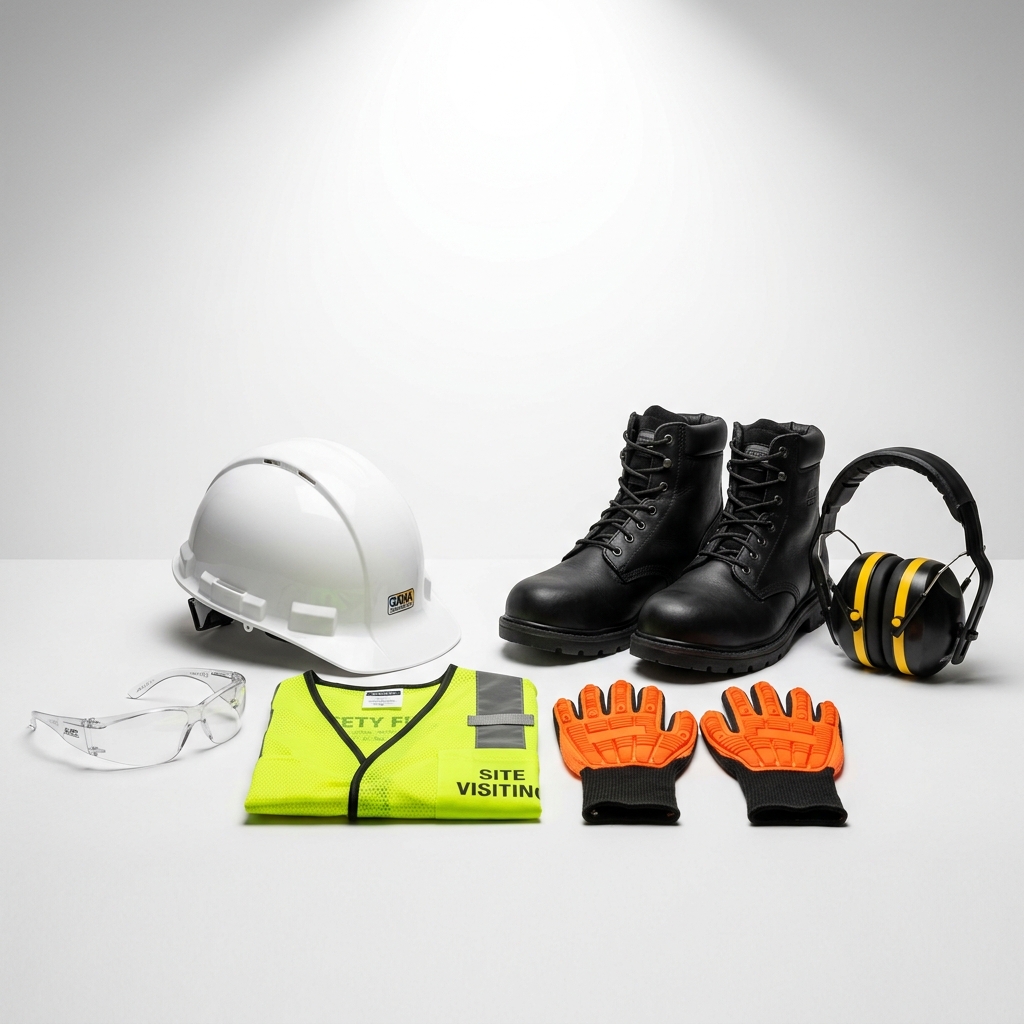
Welcome to the MIE Department. Safety is our top priority. This guide outlines the essential rules you MUST follow to ensure your safety and the safety of others in our labs.
All students must read this guide and submit the signed Safety Commitment Form before any laboratory access is granted. Failure to follow safety rules will result in immediate removal from the lab.
✍️ Required Commitment
Sign and Submit Before Working
Before you start your first lab session, you are required to:
- Review the General Safety Rules completely.
- Identify the safety resources in your specific lab.
- Sign the MIE Safety Training Form.
- Submit the form to your instructor or TA.
✅ Verification:
Laboratory staff will verify your signature and valid training status for specific equipment (CNC, Robots, etc.) before allowing you to operate any machinery.
📜 MIE Safety Statement
Policies & Compliance
Our Departmental Commitment
The MIE Department is committed to providing a safe workspace for all. We follow NU Policy 602 (Restricted Access) and all university safety standards. Compliance is non-negotiable.
Lab Spaces
Rooms like 002FR, 010FR, 012FR, and others have specific hazards ranging from basic hand tools to high-powered lasers.
Supervision
Direct supervision by a TA or Technician is required for all high-risk operations after 5:00 PM.
📞 Campus Safety Resources
Help is always one call away
3333
Emergency (Campus Phone)
Cell Phone: 617-373-3333
📱 SafeZone App
Install the SafeZone app for immediate connection to NUPD and emergency services.
🏥 UHCS
University Health and Counseling Services: 617-373-2772
🤝 The Buddy System
Never work alone in a restricted space
Working alone on high-risk equipment or with hazardous materials is PROHIBITED.
Required For:
- Machine Shop operations
- High voltage electronics
- Chemical handling
- Robot physical deployment
Why?
A "buddy" can activate the emergency stop, call for help, and provide immediate assistance if an accident occurs.
📝 Incident Reporting
Transparency saves lives
ALL incidents MUST be reported immediately — even if no injury occurred.
What to Report:
- Near Misses: "That almost hit me!"
- Minor Injuries: Scrapes, minor burns.
- Equipment Damage: Broken bits, smoke.
- Unsafe Behavior: Seeing someone bypass a guard.
Reporting Path:
1. Notify TA or Technician.
2. Contact Department Safety Officer (Rick Kennedy).
3. File formal university report.
👓 PPE: Eye Protection
Your most valuable tool: Your vision
Safety glasses are REQUIRED in all designated lab areas.
Standard Glasses
Must have Z87.1 rating. Provides protection from flying chips and debris.
Chemical Goggles
Required when handling liquids or chemicals to prevent splash injury.
Laser Eye Protection
Must match the specific wavelength (Color) of the laser being used.
🧤 PPE: Hearing & Hand Protection
Correct usage is key
👂 Hearing Protection
- Use earmuffs or plugs when noise levels exceed 85dB.
- Required in the CNC lab and near large cooling fans.
✋ Hand Protection
- Chemical Gloves: Match the material to the chemical (Nitrile vs. Latex).
- Heat Gloves: Use for 3D printer parts or ovens.
- WARNING: NEVER wear gloves near rotating machinery (lathes, drills) — they can pull your hand in.
👕 Proper Lab Attire
Dress for a safe work environment
🚫 Prohibited Items & Behavior
Zero tolerance for distractions
🎧 Audio Gear
No earbuds, headphones, or high-volume music. You must be able to hear machine warnings and instructions.
🍔 Food & Drink
Strictly prohibited in lab areas to prevent contamination and spills. Use designated break areas.
🚭 Vaping/Smoking
Includes e-cigarettes. Prohibited in accordance with university policy.
⚙️ Machine Area Rules
Training is the key to safety
💡 Emergency Stop (E-Stop)
Identify the location of the red E-stop button BEFORE you turn on the machine. Keep it accessible and clear of debris.
🧪 Chemical Safety & Waste
Handling hazardous materials
Every chemical in the lab has a Safety Data Sheet (SDS). Know where to find it.
Storage
- Secure lids immediately after use.
- Store in approved cabinets (Acid, Flammable).
- Label every container — no "unknown" liquids.
Waste Disposal
- NEVER pour chemicals down the drain.
- Use labeled ECOS waste containers.
- Report leaks or spills immediately.
🧹 Laboratory Housekeeping
A clean lab is a safe lab
Clean as you go
Don't wait until the end of the lab to sweep chips or wipe up oil.
Clear Walkways
Keep aisles, fire exits, and safety equipment clear of backpacks and material.
Tool Storage
Return all tools to their shadow boards or drawers after use.
🔥 Emergency: Fire
Act fast, act safely
🧯 Using an Extinguisher (PASS):
Pull the pin | Aim at base | Squeeze handle | Sweep side-to-side
Only fight a fire if it is smaller than a wastebasket and your exit is clear.
🩹 Emergency: Medical
Immediate responses to injuries
Minor Injury:
- First aid kits are located in every lab room.
- Clean the area, apply pressure, and notify the TA.
Serious Injury:
- Call 3333 immediately.
- Do not move the victim unless they are in immediate danger (fire, gas).
- Find an AED (locations are marked in hallways).
Stay with the victim until help arrives.
🛡️ Chemical Exposure & Spills
Minutes matter
👁️ Eye Wash
Flush eyes for AT LEAST 15 minutes. Hold eyelids open. Seek medical help immediately after.
🚿 Safety Shower
Use for large body splashes. Remove contaminated clothing while under the water.
🧪 Spill Kits
Contain absorbent material. Only use for small spills (1 Liter or less) if trained.
🎯 Scenario Learning
Test your safety awareness
A: Press the Emergency Stop (E-Stop) immediately. Do not try to enter the work area to "fix" it while it's moving.
A: NO. High-risk equipment requires a buddy and/or professional supervision after hours.
A: YES. Every incident must be reported for documentation and to check for underlying hazards.
✅ Safety Summary
Your safety is our shared responsibility
1. PPE Always | 2. Training First | 3. Never Work Alone
| Contact | Role | Email / Phone |
|---|---|---|
| Rick Kennedy | Safety Officer | ri.kennedy@northeastern.edu / (617) 373-5636 |
| Kevin McCue | Lab Technician | k.mccue@northeastern.edu / (617) 373-4548 |
| NUPD | Emergency | 617-373-3333 |